
The Hard Truth About Your Disabilities
Fellow Veterans,
Time for some real talk. We need to have a conversation that’s going to make you uncomfortable. It’s about stopping the excuses and getting brutally honest about what’s really happening to you.
The Excuse Game We Play
“I can’t sleep because I’m a light sleeper.”
“I don’t play with my kids because I’m tired.”
“I can’t concentrate because I’m getting older.”
“I’m irritable because work is stressful.”
STOP.
These aren’t character flaws.
These aren’t signs of weakness.
These are symptoms of service-connected disabilities that you’re too proud to acknowledge.
The Military Conditioning Problem
We were trained to:
- Suck it up and drive on
- Never show weakness in front of the troops
- Push through pain no matter what
- Make excuses rather than admit injury
That conditioning is now sabotaging your VA claim and your quality of life.
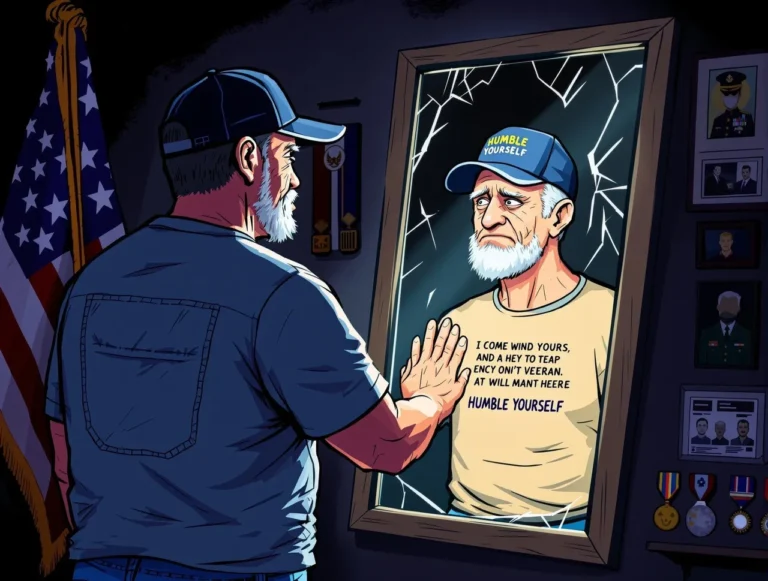
HUMBLE Yourself: Ask the Hard Questions
About Your Sleep:
Stop saying: “I can’t sleep because I’m a light sleeper.”
Start asking:
- WHY can’t I sleep? Is it nightmares from combat?
- WHAT am I seeing when I close my eyes?
- WHEN did this start? Was it after deployment?
- HOW is this affecting my family and work?
- HOW do I compensate? Energy drinks?
About Your Kids:
Stop saying: “I don’t play with my kids because I’m tired.”
Start asking:
- WHY am I avoiding physical contact with my children?
- WHAT triggers my irritability around them?
- WHEN did I stop being the parent I wanted to be?
- HOW is my behavior affecting their childhood?
About Your Concentration:
Stop saying: “I can’t focus because I’m getting older.”
Start asking:
- WHY can’t I remember simple instructions?
- WHAT happened to my ability to multitask?
- WHEN did thinking become this exhausting?
- HOW is this impacting my ability to work?
The Real Questions You Need to Answer
Sleep Issues – Dig Deeper:
- Do you have nightmares about specific military events?
- Are you hypervigilant – checking locks, scanning rooms?
- Is your sleep schedule permanently messed up from military shifts?
- Do you wake up in fight-or-flight mode?
Physical Limitations – Be Honest:
Stop saying: “Well, all old soldiers have back and knee problems.”
That’s the biggest cop-out in the veteran community. Yes, aging affects everyone – but if you didn’t come INTO the military with chronic back pain, blown knees, or damaged joints, then your military service CAUSED or AGGRAVATED those conditions. That makes them service-connected, not age-related.
The military broke your body through:
- Carrying 80+ pound rucksacks for miles
- Jumping out of aircraft and landing hard
- Sleeping on the ground in combat zones
- Repetitive physical training that destroyed joints
- Vehicle accidents during training or deployment
- Exposure to chemicals, burn pits, or environmental hazards
Stop minimizing your legitimate injuries by blaming them on “getting older.” Your 18-year-old civilian counterpart wasn’t doing airborne operations, combat patrols, or hauling military equipment. Your body paid the price for your service – own it and claim it.
Ask yourself:
- Does your back hurt from carrying heavy gear for years?
- Are your knees shot from jumping out of aircraft?
- Do your hands shake from exposure to chemicals or stress?
- Is chronic pain making you irritable and withdrawn?
If these problems started or worsened during military service, they’re not “normal aging” – they’re service-connected disabilities you’ve EARNED from doing your duty and serving your country.
Mental Health – Face the Truth:
- Are you avoiding crowds because they make you anxious?
- Do loud noises make you jump or panic?
- Are you isolating from friends and family?
- Do you feel disconnected from emotions or relationships?
- Are you hypervigilant and cannot relax in public places because you’re always scanning for exits?
- Do your loved ones make accommodations for your paranoia by always requesting restaurant tables where your back can be to the wall with no one behind you?
The Cost of Denial
What Denial Costs You:
- Disability compensation you’ve earned
- Medical treatment that could help
- Relationships with spouse and children
- Career opportunities you can’t pursue
- Quality of life you deserve
What Denial Costs Your Family:
- Financial security from VA benefits
- Understanding of what you’re going through
- Connection with the person they love
- Stability that comes from proper treatment
PTSD – Here’s What’s Really Happening, No Excuses!
Let’s get brutally honest about what PTSD actually looks like. Stop calling it “stress” or “having a bad day.” These are real, documented symptoms of service-connected
PTSD:
Flashbacks – You’re Not “Daydreaming”
Stop saying: “I just zone out sometimes.” The reality: You’re suddenly back in that IED blast, feeling the same sand under your boots, smelling the same gunpowder, hearing the same screams. Your brain is reliving the trauma like it’s happening right now. That’s not zoning out – that’s a flashback.
Nightmares – You’re Not Just a “Light Sleeper”
Stop saying: “I don’t sleep well.” The reality: You’re having recurring nightmares so vivid they feel real. You wake up hearing explosions, seeing faces of fallen comrades, or reliving that firefight. Your sleep is destroyed by combat trauma, not insomnia.
Triggers – You’re Not “Particular” or “High-Maintenance”
Stop saying: “I just don’t like certain things.” The reality: The smell of diesel fuel sends you into panic mode. The sound of a helicopter makes your heart race. Wearing certain clothes feels like putting on your uniform again. These aren’t preferences – they’re trauma triggers.
Avoidance – You’re Not “Antisocial”
Stop saying: “I prefer staying home.” The reality: You deliberately avoid places that remind you of deployment. You won’t go to fireworks shows because they sound like incoming mortars. You avoid talking about your service because it brings back too much. You’re not antisocial – you’re protecting yourself from triggers.
Hyperarousal – You’re Not Just “Alert”
Stop saying: “I’m always aware of my surroundings.” The reality: You’re constantly on edge, scanning for threats that aren’t there. You can’t relax because your brain is stuck in combat mode. You startle at every unexpected sound. That’s not situational awareness – that’s hypervigilance from PTSD.
Physical Symptoms – You’re Not “Out of Shape”
Stop saying: “I just get winded easily now.” The reality: Your heart races when triggered. You break out in cold sweats. You get dizzy during panic attacks. You have persistent headaches and stomach problems. Your body is reacting to psychological trauma, not poor fitness.
Real Talk from Sarge
I spent years making these same excuses. I called my hypervigilance “being observant.” I called my avoidance “preferring quiet places.” I called my nightmares “bad dreams.”
Those excuses cost me decades of treatment and compensation.
Your PTSD symptoms aren’t character traits – they’re service-connected disabilities. Stop minimizing them. Stop making excuses for them. Start documenting them and filing your claim.
The military trained you to push through trauma. Now it’s time to acknowledge what that trauma did to you.
For 23 years, I made excuses:
- “I’m just a perfectionist” (actually hypervigilance from PTSD)
- “I don’t like crowds” (actually anxiety from military trauma)
- “I’m independent” (actually isolating due to depression)
Those excuses cost me:
- Decades of disability compensation
- Years of untreated mental health conditions
- Relationships that suffered from my untreated symptoms
- Career opportunities I couldn’t pursue
The day I got HUMBLE and admitted the truth was the day my life changed.
How to Get HUMBLE
Step 1: Write It Down
Make two lists:
- Column 1: Your excuses
- Column 2: The real service-connected reason
Example:
- Excuse: “I’m just not a morning person”
- Reality: “My sleep is destroyed by nightmares from deployment”
Then ask those closest to you what they see. Your spouse, kids, parents, or close friends often notice patterns you’ve been blind to. They’ve been living with your service-connected disabilities too – they just didn’t know that’s what they were witnessing. Be prepared to listen and, more importantly, do not get angry if you want them to speak the truth.
Ask them:
- “What changes have you noticed in me since I got out of the military?”
- “What behaviors do I have that seem different from other people?”
- “When do you see me struggle the most?”
- “What accommodations do you make for me that you don’t make for others?”
Their answers might shock you – and give you the missing pieces for your VA claim.
Step 2: Connect to Service
For each real reason, ask:
- When did this start? Before or after military service?
- What specific events might have caused this?
- How has this worsened since leaving the military?
Step 3: Document the Impact
Write down how each condition affects:
- Your work performance and attendance
- Your relationships with family and friends (make a list of people who just quietly ‘vanished’)
- Your daily activities and quality of life
- Your ability to enjoy things you used to love
The Breakthrough Moment
When you stop making excuses and start naming your disabilities:
- You can get proper treatment
- You can file accurate VA claims
- Your family can understand what you’re going through
- You can start healing instead of just surviving
Your Mission Now
This week, I challenge you to:
- List your top 5 “excuses” for behavior or limitations
- Identify the real service-connected reasons behind each one
- Connect each condition to specific military experiences
- Share this truth with someone you trust
- Take action – schedule medical appointments, start your VA claim
The Hard Truth
You’re not weak for having service-connected disabilities. You’re not broken for needing help. You’re not less of a warrior for admitting the truth.
You ARE weak if you let pride prevent you from getting the help and compensation you’ve earned.
HUMBLE yourself. Face the truth. File your claim.
Your family deserves the real you – treated, compensated, and whole.
Ready to Stop Making Excuses?
Contact Boots 2 Benefits for tactical VA claims help:
📞 (443) 924-6809
📧 sarge@boots2benefits.com
🌐 www.Boots2Benefits.com
Available Tuesday – Sunday | Closed Mondays & Federal Holidays
Claim Strategy That Actually Works – 1:1 Tactical VA Consulting with someone who’s been there.
IGY6 – No Veteran Left Behind
🎖️Sarge
Boots 2 Benefits, LLC
Truth-Telling for Veterans