Building Mutual Respect Between Two Worlds
Dear VA Team and Fellow Veterans,
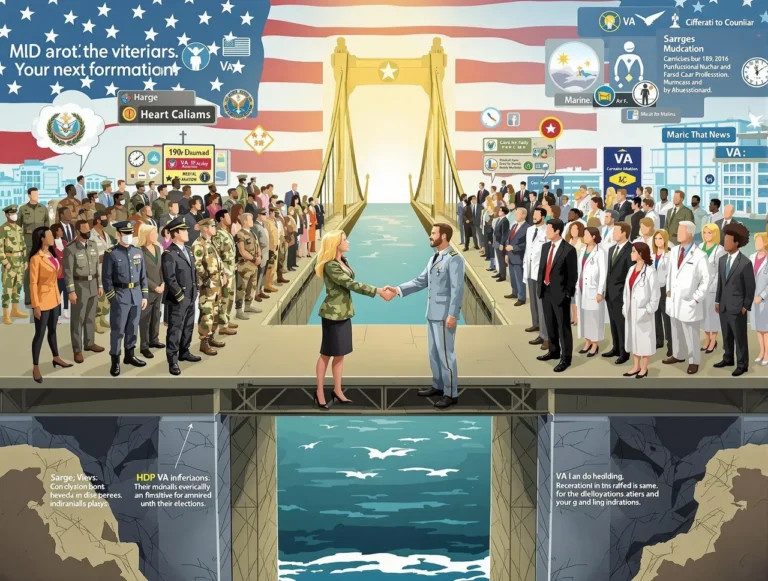
There’s an invisible chasm between military culture and civilian understanding that affects every VA disability claim. On one side, veterans trained to endure pain silently. On the other, VA professionals following regulations that require documented proof of that same pain.
The gap isn’t intentional – it’s cultural. And it’s time we build a bridge.
Two Different Worlds, Same Mission
Military World Reality:
- Pain is weakness – and weakness gets you and your team killed
- Mission first – always, no exceptions, no excuses
- Suck it up – the unofficial motto of every branch
- Don’t be a malingerer – career-ending label for seeking medical care
VA World Reality:
- Documentation is everything – if it’s not written down, it didn’t happen
- Regulations protect veterans – strict guidelines ensure fair treatment
- Evidence-based decisions – medical proof required for benefits
- Professional standards – following federal guidelines, not military culture
Both worlds are right. Both worlds are necessary. But they speak different languages.
The Communication Breakdown
What Veterans Hear:
“Why didn’t you document your injury?”
Translation in veteran’s mind: “You should have been weak and complained.”
What VA Staff Mean:
“Help me understand what happened so I can approve your claim.”
What VA Staff Hear:
“I’m fine, it’s no big deal.” ‘
Translation in their mind: “This isn’t a serious condition.”
What Veterans Mean:
“I’m trained to minimize pain, but this is destroying my life.”
Building the Bridge: Understanding Each Other
For VA Professionals: Understanding Military Conditioning
Why Veterans Minimize Symptoms:
- 20+ years of conditioning that pain equals weakness
- Career survival instinct – admitting injury meant potential discharge
- Unit loyalty – never let your battle buddies down
- Leadership pressure – “tough it out” was literally the job
What This Means for Your Examinations:
- Ask deeper questions: “Tell me how this affects your daily life”
- Understand context: Military taught them to hide, not document
- Create safety: Permission to be vulnerable in your office
- Recognize courage: It takes strength for veterans to admit weakness
For Veterans: Understanding VA Requirements
Why VA Needs Documentation:
- Legal protection – regulations protect your benefits from being denied unfairly
- Consistent standards – same rules apply to everyone
- Evidence-based medicine – medical proof ensures accurate ratings
- Accountability – taxpayer funds require proper documentation
What This Means for Your Claims:
- Translate your experience: Use medical terms, not military slang
- Provide context: Explain WHY you didn’t seek treatment
- Be specific: Dates, locations, incidents – details matter
- Educate respectfully: Help them understand your reality
Real-World Bridge Building
Scenario: Back Injury During Training
Veteran’s Story: “I hurt my back during a ruck march in 1995, but Sergeant made it clear that going to sick call was for weaklings. I pushed through the pain for 20 years.”
VA Translation: “Service member sustained back injury during military training exercise in 1995. Due to military culture discouraging medical care, condition went untreated and progressively worsened over 20-year period.”
Bridge Built: Same story, different language – both sides understand.
The Sarge Perspective: 23 Years of Learning
I spent over two decades failing at VA claims because I expected them to understand military culture without explanation. That was my mistake.
My breakthrough came when I realized:
- VA staff aren’t mind readers – they need education about military culture
- Veterans aren’t victims – we need to learn their language
- Both sides want the same thing – proper care for those who served
The solution isn’t changing either culture – it’s building bridges between them.
Practical Bridge-Building Strategies
For VA Appointments:
- Prepare context: Write down WHY you didn’t seek treatment
- Use their language: Medical terminology, not military slang
- Be patient: They’re learning about military culture too
- Educate respectfully: Share your reality without anger
For VA Staff:
- Ask follow-up questions: Dig deeper into veteran responses
- Understand conditioning: 20+ years of “tough it out” training
- Create safe space: Permission to admit vulnerability
- Recognize strength: It takes courage for veterans to seek help
Success Stories: Bridges That Work
“When I explained to my examiner WHY I never went to sick call – the shame, the career impact, the unit pressure – everything changed. She understood that my silence wasn’t denial, it was survival.” – Veteran Success Story“
Once I learned to ask veterans about military culture instead of just medical history, my examinations became much more effective.” – VA Professional
Moving Forward Together
The goal isn’t to change military culture – that toughness saves lives in combat.
The goal isn’t to change VA regulations – those protections ensure fair treatment.
The goal is mutual understanding – building bridges so both sides can fulfill their mission of caring for those who served.
Your Role in Bridge Building
Veterans: You’re not just claiming benefits – you’re educating the next generation of VA professionals about military culture.
VA Staff: You’re not just processing claims – you’re learning to serve those who served in a language they can understand.
Together, we ensure no veteran falls through the gap between military conditioning and civilian care.
Because understanding isn’t just helpful – it’s essential for proper veteran care.
IGY6 – No Veteran Left Behind
🎖️Sarge
Boots 2 Benefits, LLC
Building Bridges Between Military and Civilian Worlds