
How One Veteran Built Maryland’s Premier Veterans Support Network
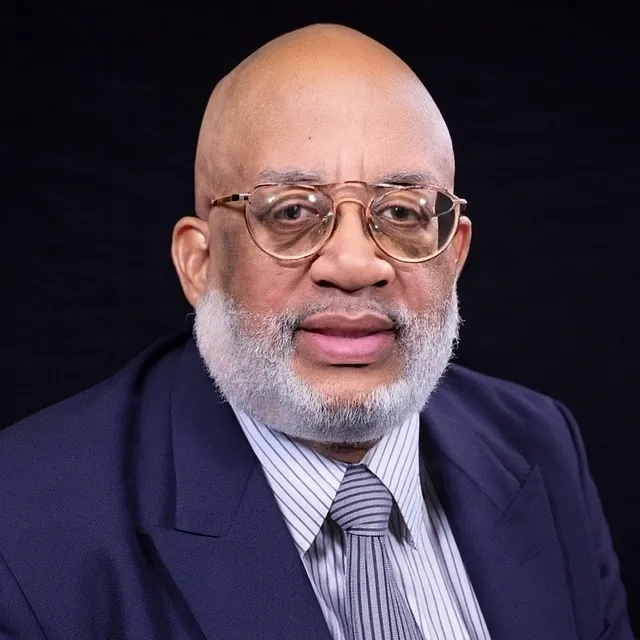
Dr. James Dula’s 50-year journey from Vietnam’s front lines to transforming veteran advocacy across numerous states.
In the corridors of the Pentagon, Dr. James Dula discovered that education was the ultimate force multiplier. Today, as he celebrates his50th anniversary of official service to veterans—from his 1967enlistment through his current leadership of Maryland’s largest veteran support network—that lesson continues to transform lives across Prince George’s County and throughout the States.
From Enlisted Soldier to Intelligence Officer
Dr. Dula’s military journey began where many great stories do—on the front lines. Joining the Air Force in 1967, he served as an enlisted soldier in Vietnam, experiencing firsthand the realities of combat that would later inform his deep understanding of veteran needs. But it was his assignment to the Pentagon that changed everything.“
What I learned most from the Pentagon was how important education was,”Dr. Dula reflects.“
That’s really where I started my career by going to college.”
The transition from enlisted soldier to Air Force Intelligence Officer wasn’t just a career change—it was a complete transformation that would set the foundation for five decades of service. His 30-year military career (1967-1997) took him from Vietnam’s battlefields to the nation’s military headquarters, where he worked alongside notable Cold War figures and gained the strategic perspective that would later revolutionize veteran services in Maryland.
The Transition Nobody Prepared Him For
When Dr. Dula retired as a Major in1997, he encountered a shocking reality that would define his post-military mission.
“The biggest surprise transitioning from military was there was no help to find out how to transition out of the military and have veteran support in the community,” he explains.
This gap wasn’t just a bureaucratic oversight—it was a systemic failure that left thousands of veterans struggling in silence. Dr. Dula experienced firsthand whatso many veterans face: the jarring shift from structured military life to civilian uncertainty, with no roadmap and no support system. Rather than accept this as inevitable, he chose to become the solution he wished he’d had.
Building Maryland’s Veteran Services Empire
In 2005, Dr. Dula founded the Office for Veterans Affairs in Prince George’s County, serving a population of 53,000 veterans—the largest of any county in Maryland. But his vision extended far beyond county lines. Today, his office serves veterans across several states, fielding 30+ calls, hundreds of emails and texts daily from across the nation and even international locations. The reach often grows organically through veteran networks—when a veteran from Texas called seeking help and received Dr. Dula’s expert guidance, that veteran reached out to his cousin who was also a veteran in Oklahoma. That cousin then contacted another cousin veteran in Arkansas, who also called Dr. Dula for assistance. The chain of referrals even extended to a cousin in Florida, creating a four state family network of veterans who all received help from Dr. Dula’s office—and he helped them all. The programs he’s developed address every aspect of veteran life:
• Warm Hearts program for outreach and connection, particularly serving veterans who are homebound due to ailments or can no longer drive
• HELP with HOPE model covering health, education, employment, and quality of life
• Surviving Spouse Program with comprehensive checklists and support
• Community Familiarization Program for relocating veterans
• Four Counties Collaboration that he suggested to break down service silos
“No One Left Out, No One Left Behind, No One Left Alone”
Dr. Dula’s approach to veteran services is guided by a simple but powerful three-part philosophy: “No one left out, no one left behind, and no one left alone.” This comprehensive framework ensures that every veteran, regardless of era, circumstance, or need, receives the support they’ve earned.
No one left out – His programs actively reach underserved populations, from Vietnam veterans who felt excluded from traditional military organizations to the fastest-growing demographic of women veterans.
No one left behind – Whether it’s a veteran in Texas whose family network extends to Oklahoma, Arkansas, and Florida, or a surviving spouse navigating complex VA benefits, Dr. Dula’s office responds to every call for help.
No one left alone – Through programs like Warm Hearts Calls and the Four Counties Collaboration, Dr. Dula ensures that isolation and disconnection never define a veteran’s post-service experience.
Education: His Gold Star Moment
Dr. Dula’s number one gold star accomplishment came during his Pentagon years, where he “was able to work with many, many notable figures at the time who were involved with combating certain elements during the Cold War.” The strategic insights and leadership lessons from these high-level collaborations shaped his understanding of effective leadership and service.
But it was what came after that truly defined his legacy. “I learned a lot, but after I retired in 1997 I had to ask myself where do I go from there?” he reflects. Having taught college classes at night while serving in the Air Force, he decided “maybe the best route for me was to go back in education and teach high school so I could help nurture future generations of leaders.” Those five transformative years in the public school system became the foundation for lasting impact. During that time, he created a great youth mentoring program as part of the Dr. W.B.Du Bois National Honor Society affiliated with Hampton University—and that was because the youth asked for help to gain greater opportunities to get into college.
Today, the program is affectionately coined the, “Dr. Dula/Dr. W.B. DuBois Honor Society”, a testament to both its founder’s lasting impact and its connection to the great civil rights leader and scholar. The program wasn’t imposed from above; it emerged from genuine need. When students asked for help accessing higher education opportunities, Dr. Dula responded with the same strategic thinking he’d applied at the Pentagon—but this time, the mission was nurturing the next generation of leaders.
Vision for the Future: Three Critical Initiatives
As Dr. Dula looks toward expanding his model, his office remains focused on emerging challenges that affect veteran families daily.
“We’re still working right now to look at how we address issues coming down the pike, whether it’s Medicaid and health care or whether it’s daycare, people moving here to make their transition as easy as possible, ”he explains. “Right now, those are the three programs that are on our plate to take a look at and how we address these so we can continue to move on”:
1. Medicaid and Healthcare Access – Ensuring veterans and their families can navigate complex healthcare systems
2. Daycare and Childcare Support – Addressing the needs of veteran families with young children
3. Community Transition Services – Making relocation and integration as seamless as possible for newcomers
These initiatives reflect Dr. Dula’s continued strategic thinking: identifying problems before they become crises and developing comprehensive solutions that serve the whole veteran family, not just the veteran.
A Mentor’s Legacy: Sharing Knowledge Freely
Dr. Dula’s impact extends far beyond Prince George’s County through his willingness to mentor other veteran advocates and share his expertise freely. When Charles County sought to develop their own Office of Veterans Affairs, Dr. Dula didn’t hesitate to offer his guidance.
Meeting with the Commissioner President and Sarge, he shared his time, energy, and decades of hard-won knowledge without reservation. His mentorship approach mirrors the same philosophy that drove his educational work—when someone asks for help to better serve veterans, you respond with everything you have.
This generous spirit of knowledge-sharing exemplifies the veteran community at its best: experienced leaders lifting up the next generation of advocates, ensuring that successful models can be replicated and adapted to serve veterans wherever they are.
The 50-Year Mission Continues
With Dr. Dula many years of serving veterans—an unbroken chain from his 1967 enlistment tohis current leadership role—his impact continues to expand. The Four Counties Collaboration that he suggested conducts monthly meetings that now include additional counties, sharing best practices and identifying service gaps.
His approach combines the strategic thinking learned at the Pentagon with the grassroots understanding gained in the classroom. Whether it’s addressing transportation barriers, mental health support, or helping Vietnam veterans who felt excluded from traditional military organizations, Dr. Dula’s programs meet veterans where they are.
A Legacy Built on Education and Service
From enlisted soldier in Vietnam to Pentagon intelligence officer, from PhD educator to veteran services pioneer, Dr. Dula’s journey proves that the greatest leaders are those who never stop learning—and never stop serving.
His story isn’t just about building programs or serving thousands of veterans. It’s about understanding that education, whether in a Pentagon briefing room or a high school classroom, has the power to transform lives and communities. It’s about ensuring that no one is left out, no one is left behind, and no one is left alone.
Today, as veterans across numerous states benefit from his vision and programs, Dr. Dula’s ensures that no veteran faces the transition alone, and that every veteran has access to the education, support, and opportunities they’ve earned through their service.
The journey from the Pentagon to Prince George’s County may have covered just a few miles geographically, but it spans a lifetime of service that continues to transform veteran care across America.